
- News
- City News
- delhi News
- Delhi floods: Fever, diarrhoea & vomiting among displaced a concern
Trending
This story is from July 19, 2023
Delhi floods: Fever, diarrhoea & vomiting among displaced a concern
Cases of fever, diarrhoea and vomiting are emerging as some of the health concerns among people affected by the flooding of the Yamuna.
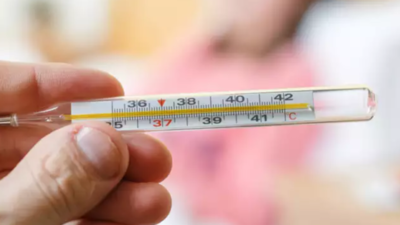
Image used for representational purpose
Cases of conjunctivitis, skin allergies and fever have been seen in camps set up for displaced people. Now that the water has receded and people are likely to return to their homes, there are chances that cases of infections might see a spurt.
“Children need to be careful while playing and avoid mud or areas where water remains stored.

The health department has asked hospitals in the East district to keep an eye out for patients from flood-affected areas.
"We are seeing many children coming to us with vomiting and severe diarrhoea. There are around six flood-affected children admitted to Lal Bahadur Shastri Hospital. There are two adults who had to be kept in the hospital because of allergies and skin problems," Dr Kumar, who is currently also in charge of Lal Bahadur Shastri Hospital, said.
He added that two flood-affected patients were admitted to Lok Nayak Hospital as well — one adult and one minor.
At Lal Bahadur Shastri hospital, a ward has been designated for the displaced people. Disaster management wards have been set up at Swami Dayanand Hospital too.
Health minister Saurabh Bharadwaj also reviewed the stock of medicines for vector-borne diseases and urged the hospital administration to remain vigilant. “We are stocking up on testing kits, medicines, mosquito nets, ORS and antibiotics,” Dr Kumar said.
Private hospitals have so far not seen any spurt in cases of infection caused by water. “We are seeing a rise in dengue cases coming to the hospitals, which is definitely happening earlier this year as compared to previous years. Private hospitals catering to urban populations like ours have not seen a spurt of water-borne illnesses in the recent past, probably related to the availability of home water purification or the use of bottled drinking water," Dr Vineeta Taneja, director of internal medicine at Fortis Hospital, said.
End of Article
FOLLOW US ON SOCIAL MEDIA








Photostories

Hot Picks
TOP TRENDING
Popular Categories
Hot on the Web
Top Trends
Mohamed Muizzu India VisitIsrael Hezbollah WarAssembly Election Result 2024 DateTravis KelceENG vs SA Live ScoreSunil GavaskarKayla NicoleDipa KarmakarInd vs China Stock MarketHaryana Assembly Constituencies 2024Top Pharmacy Colleges of IndiaDiddyWomen's T20 World CupTop MBA Colleges of IndiaT20 WC ScheduleWomen T20 World Cup Points TableLive Cricket Score
Trending Topics
Bigg Boss 18 Launch LIVE UpdatesBigg Boss Tamil 8 Contestants ListBigg Boss Tamil 8 Launch LIVE UpdatesNavratri Colours 2024Navratri Day 2 ColourDurga Puja 2024Bigg Boss 18 House PhotoDevara CollectionNita AmbaniDeepika PadukoneGovindaDevaraGovinda NewsDevara Movie ReviewSwatantrya Veer SavarkarColdplay India tour 2025Watch NFL Live StreamDress To ImpressCall Of Duty Black Ops 6Wordle Answer
Living and entertainment
Latest News
World famous Corpus Clock: A time piece and a haunting work of artRanveer Singh: I have a man crush on Tiger ShroffGhum Hai Kisikey Pyaar Meiin: Savi accuses Jigar of misbehaviourYouTube Shorts extends duration to 3 minutes5 must follow rules of Ayurveda to lose 5kg in 30 daysONGC Apprenticeship Recruitment 2024 registration begins: Check direct link hereWWE Hall of Famer Diamond Dallas Page signs new WWE Legends deal'Like a ghost': Manish Sisodia says Arvind Kejriwal has become PM Narendra Modi's 'sole obsession''Singham Again' Trailer: Ranveer Singh kisses wife Deepika Padukone's poster as she skips grand launch eventMy effort in internationalising Shatatantri Veena among the next generation seemingly paying dividends says Tarun Bhattacharya on his return from US TourOptical Illusion: Can you find who's the boss in this picture?'All teams will come to Pakistan for Champions Trophy': PCB chairman on India's participation‘Ke Prothom Kachhe Eshechi’s Mihi aka Radhika Karmakar makes an appearance in ‘Rannaghar’ with her motherVaibhav & Athulya Ravi's 'Chennai City Gangsters' trailerBest Gaming Laptops Under 60000 That Deliver High Performance'Toolkit used to open trunk, paper scanned': CBI gives full details of how UG-NEET paper was leaked'Nervous Nineties': Sachin Tendulkar’s 'unwanted' record in international cricketIndustry upbeat on policy continuity as business confidence index rises to 2-quarter high: CII
Copyright © 2024 Bennett, Coleman & Co. Ltd. All rights reserved. For reprint rights: Times Syndication Service